Liquidation Cascades: Reading The Stop Run Before It Starts
Most liquidation events are not random accidents. They are the mechanical result of crowded positioning, thin liquidity, and predictable stop placement. The traders who survive them do not predict the wick; they read the structure that makes it possible.
Confirmation Bias In Chart Reading: Seeing What You Want To See
Most chart mistakes are not failures of pattern recognition. They are failures of discipline. Confirmation bias turns uncertainty into confidence and confidence into bad trades.
Market Timing Is a Filter, Not a Signal
Most traders treat timing like prophecy. That is the wrong job. Timing is the gate that decides whether a setup deserves capital, not the engine that creates the setup in the first place.
The Revenge Trade: How Losses Manufacture Bad Decisions
Losses do not just hurt your P&L. They distort your time horizon, compress your judgment, and make otherwise disciplined traders behave like amateurs. The revenge trade is not an emotional weakness; it is a measurable failure mode.
Position Sizing as Risk Management, Not Bet Sizing
Most traders treat position size like a confidence dial. That is the wrong model. Size is a control on damage, not a multiplier on opinion.
Ascending Triangle: Why Buyers Keep Showing Up at the Same Level
An ascending triangle is not a prediction. It is a record of repeated demand absorption at the same price band. That difference matters because the setup only works when volume confirms who is actually in control.
The FOMO Entry: Why Your Worst Trades Feel Like Your Best Ideas
The trades that feel most urgent are usually the ones with the weakest structure. That mismatch is not intuition, it is a warning signal the market has already learned to exploit.
Reading The Bulls' Dwindling Ammunition In A Descending Triangle
A descending triangle is not bearish because it looks tidy. It is bearish when buyers keep paying more effort for less progress while the base keeps absorbing supply.
Liquidation Cascades: How Smart Money Hunts Stops in Crypto Markets
Most stop losses do not fail randomly. They fail because price reaches a liquidity pocket, triggers forced selling, and turns a small imbalance into a cascade. The pattern is mechanical, repeatable, and visible before the flush if you know what to measure.

Meet the Analyst Council: 5 AI Personas That Debate Every Trade
Most trading signals come from a single model with a single opinion. InDecision runs five adversarial AI analysts — each with a different lens on the market — and forces them to debate before any signal ships.

How the 6-Factor Framework Becomes a Machine-Readable Signal
Six weighted factors. A dual-case scoring engine. One conviction number that collapses market noise into a directional read a machine can act on. Here's the architecture of the transformation.

The InDecision Signal API: Programmatic Access to the 6-Factor Framework
The same conviction signals that drive our live trading now ship as a REST endpoint. Here's what the API returns, who should use it, and what it makes possible.
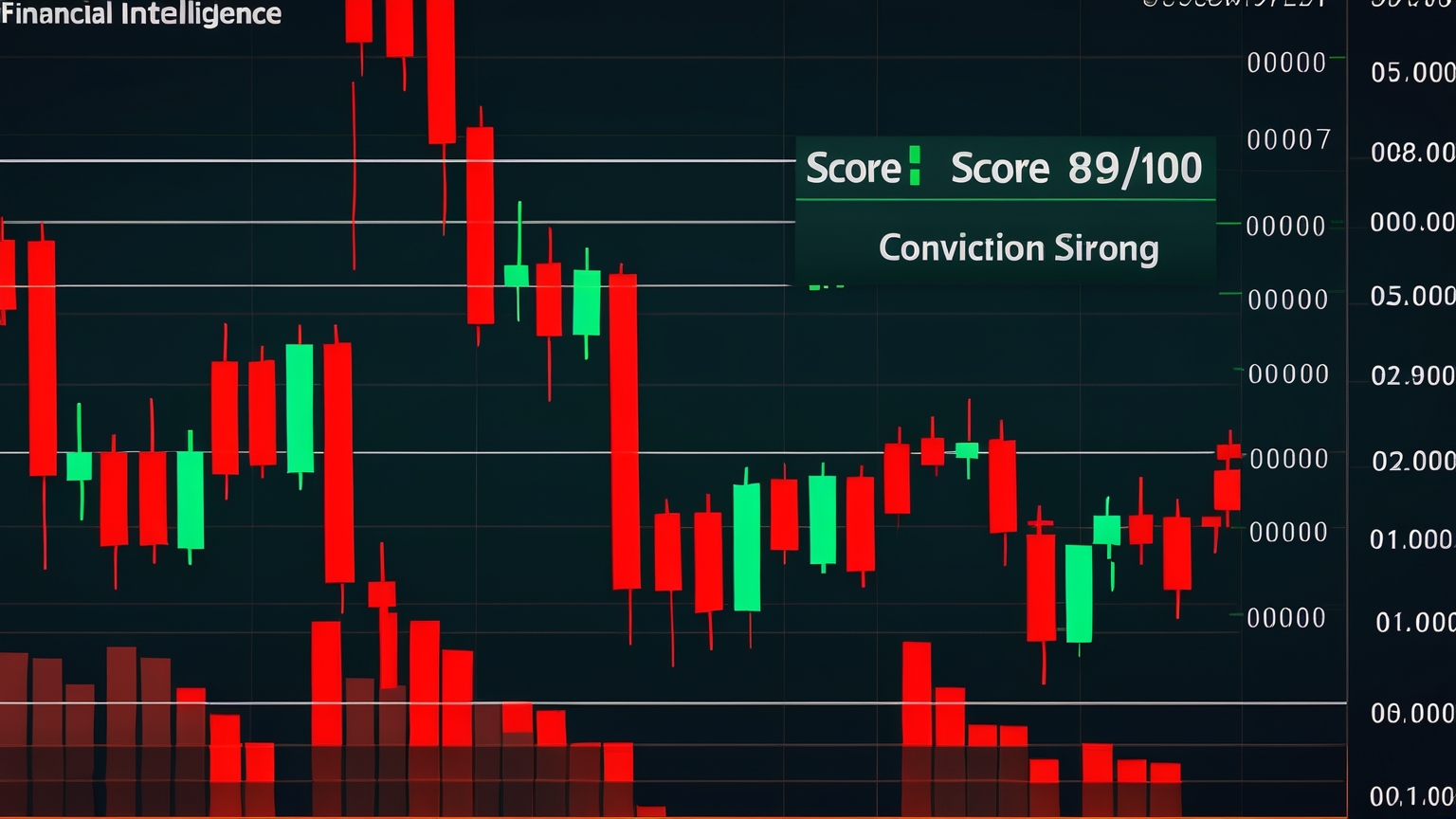
How InDecision Caught BTC's 4.7% Crash: A Live Bot Case Study
Real trades. Real P&L. Real charts. On February 23, 2026, our live Polymarket trading bot placed two contrasting BTC trades that perfectly illustrate what InDecision measures — and what it protects you from.
Funding Rates and the 8-Hour Edge: The Hidden Clock in Crypto Markets
Most traders watch price. Sophisticated traders watch funding rates. Here's why the 8-hour funding reset is the single most predictable signal in crypto — and how InDecision uses it.
The 8-Hour Funding Reset: How Perpetual Markets Telegraph Their Next Move
Funding rates reset every 8 hours across all major perpetual exchanges. That rhythm isn't just a settlement mechanism — it's a predictable pressure cycle that precedes price moves most traders never see coming.
Why I Don't Trade Breakouts — And What I Trade Instead
Breakout trading is the most-taught strategy in retail crypto and one of the most reliably unprofitable. Here's why timeframe alignment beats entry timing every time.
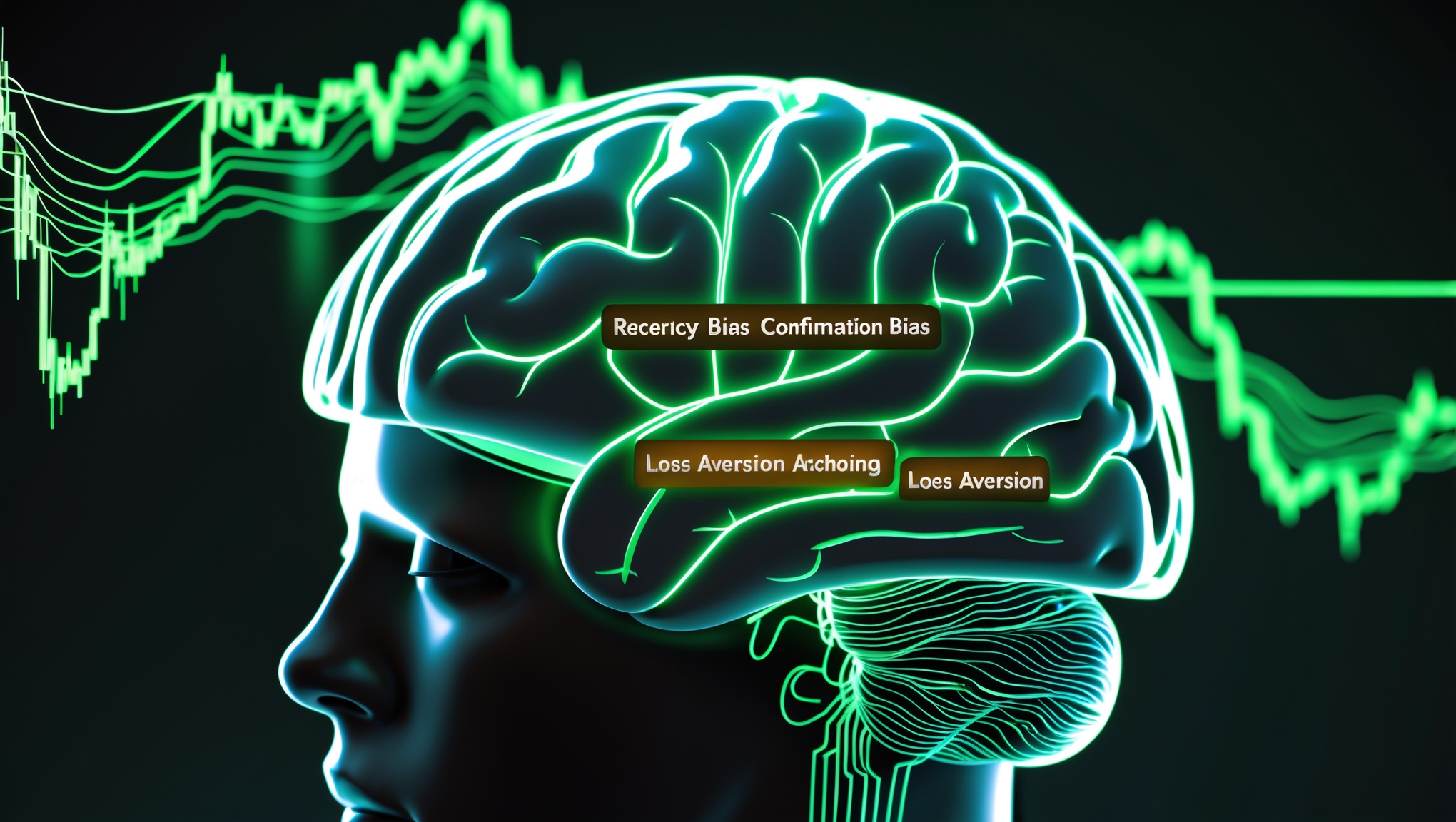
The Four Cognitive Biases That Kill Crypto Trades (And the InDecision Fix)
Most trading losses aren't caused by bad analysis — they're caused by cognitive biases that corrupt good analysis. InDecision was built explicitly to eliminate these four.
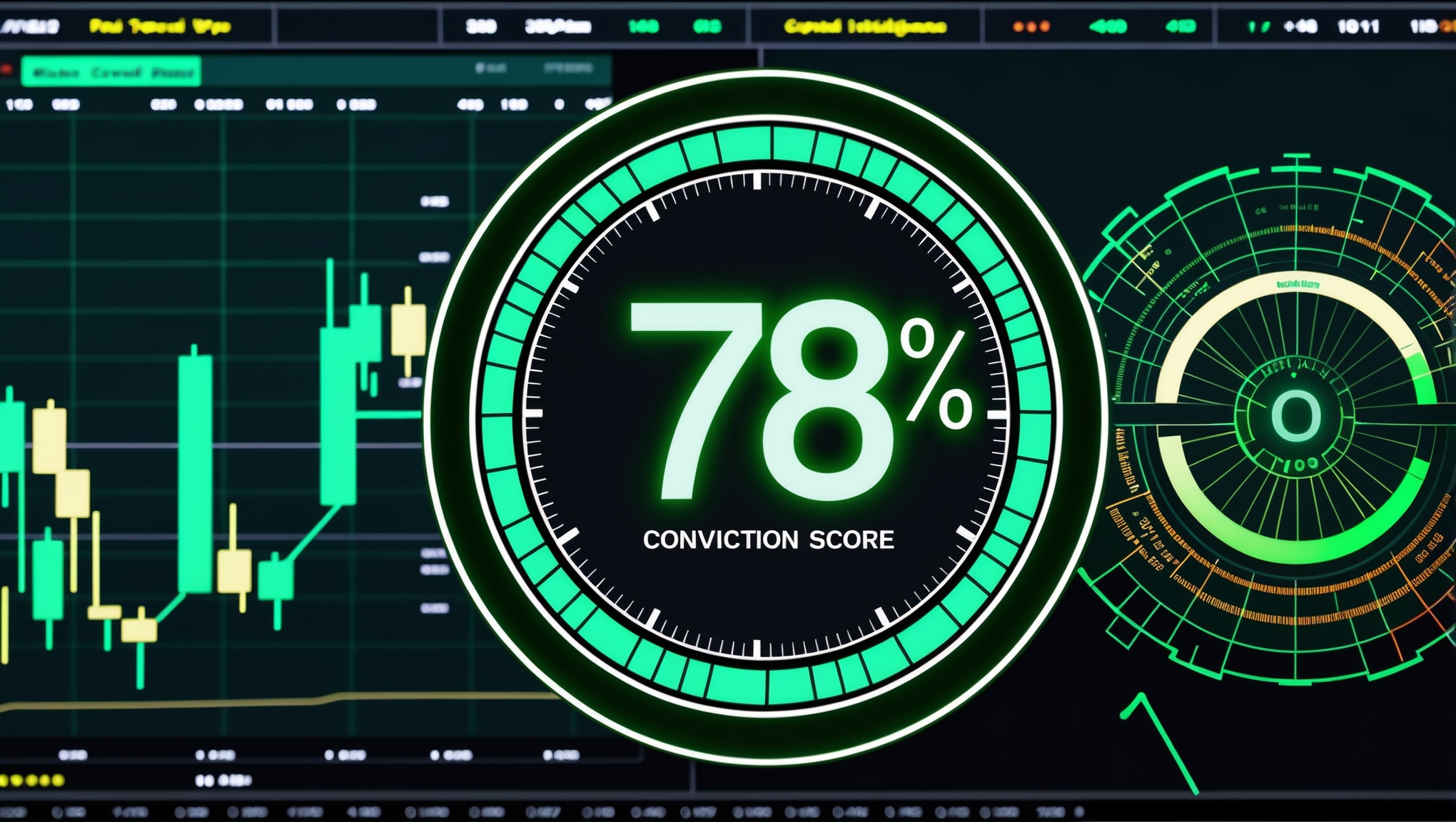
How InDecision Conviction Scores Work — And Why 70 Is the Line
Conviction scores are the output of the InDecision Framework — a 0-100 number that translates six factors into a single decision input. Here's exactly how to read and act on them.
Reading the Tape: How Volume Divergence Exposes Institutional Moves Before Price Confirms
Price lies. Volume doesn't. Understanding volume divergence is one of the highest-leverage skills in crypto analysis — and the second most important factor in the InDecision Framework.
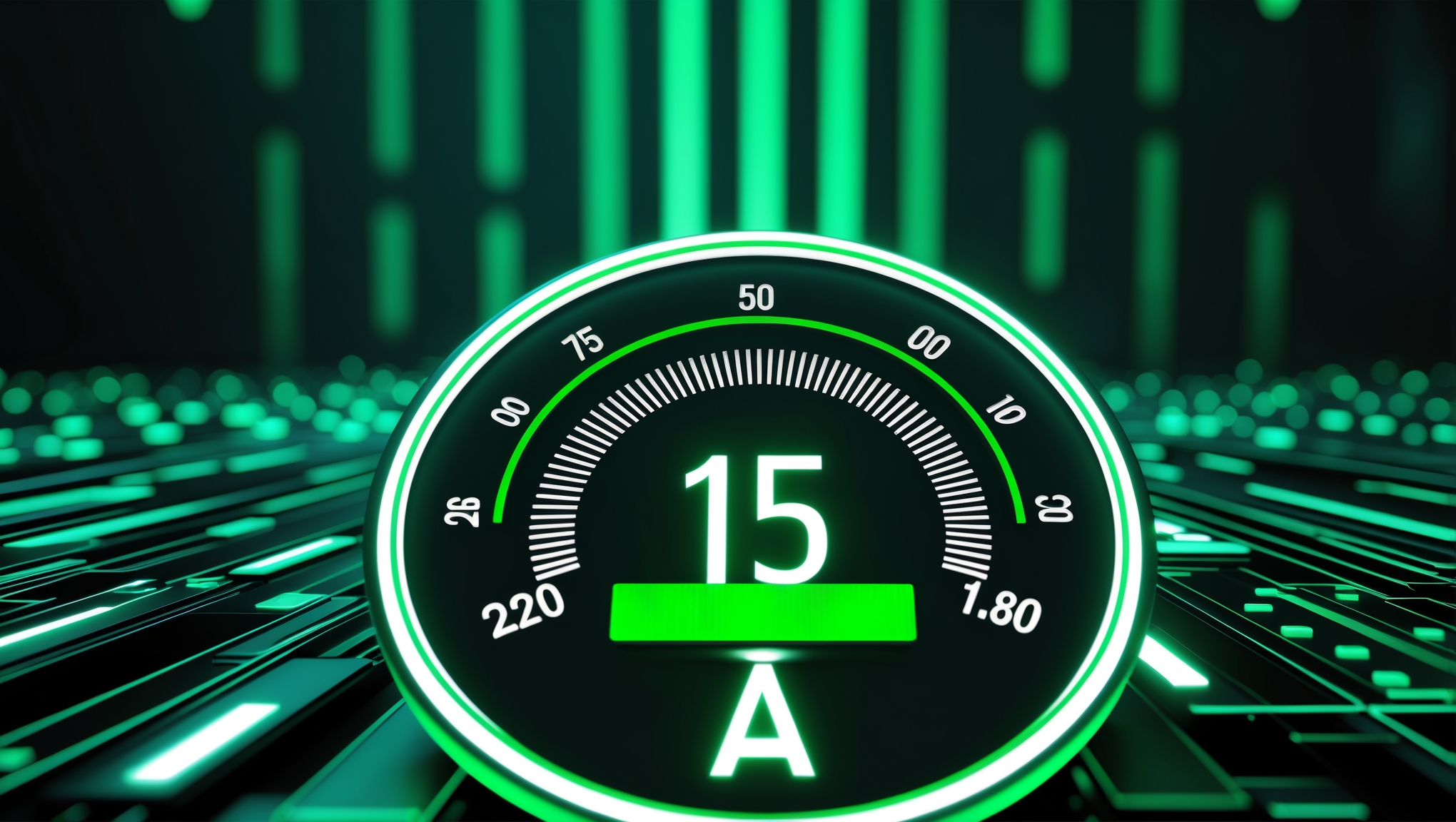
The Fear & Greed Index Is a Contrarian Signal — Here's How InDecision Uses It
Most traders use the Fear & Greed Index directionally. InDecision uses it as a sentiment extreme detector — which is the only statistically defensible use of it.
Long Liquidation Cascades: How to Identify Them Before They Run
Liquidation cascades are the most predictable and most violent moves in crypto. The setup conditions are visible in advance. Here's how InDecision reads them.

The Overnight Session Edge: Why Asia Hours Matter More Than You Think
The Asian trading session in crypto is consistently underweighted by US traders. It sets the direction for the European session, which sets up the US session. Reading Asia isn't optional — it's the first signal of the day.
Why Conviction Beats Direction: The Case for ABSTAIN
Most traders obsess over getting direction right. InDecision's edge isn't superior direction prediction — it's the discipline to not predict when the data is unclear. Here's why ABSTAIN is a power move.
The Open Interest Signal Nobody Talks About
Open interest is the most underused leading indicator in crypto. Not the level — the change. Here's what OI expansion and contraction are actually telling you about who's winning.

Tracking Smart Money With On-Chain Volume — The InDecision Approach
On-chain data gives you visibility into what wallets are actually doing — not what they're saying on Twitter. Here's how InDecision integrates on-chain volume signals into the framework.
How Seasonal Patterns Work in Crypto — And Why January Matters
Crypto isn't random. It has documented seasonal tendencies — monthly, quarterly, and halving-cycle patterns that show up consistently enough to be a framework input. Here's what the data says.
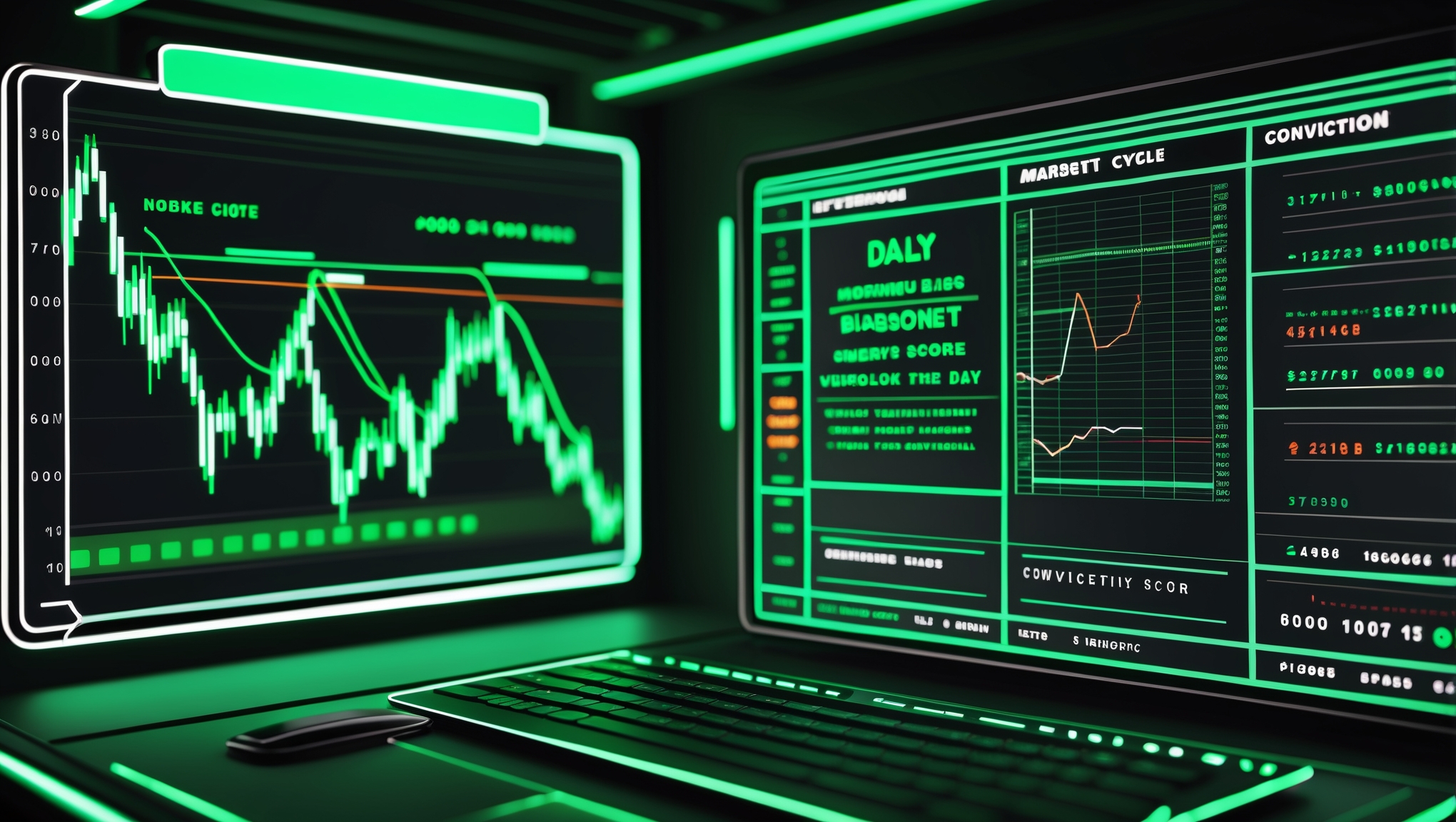
The InDecision Daily Bias Explained: How Morning and Afternoon Reads Differ
The InDecision Framework runs twice daily — a pre-market bias and an intraday confirmation. Why they differ, when to weight each, and how to use the gap between them.
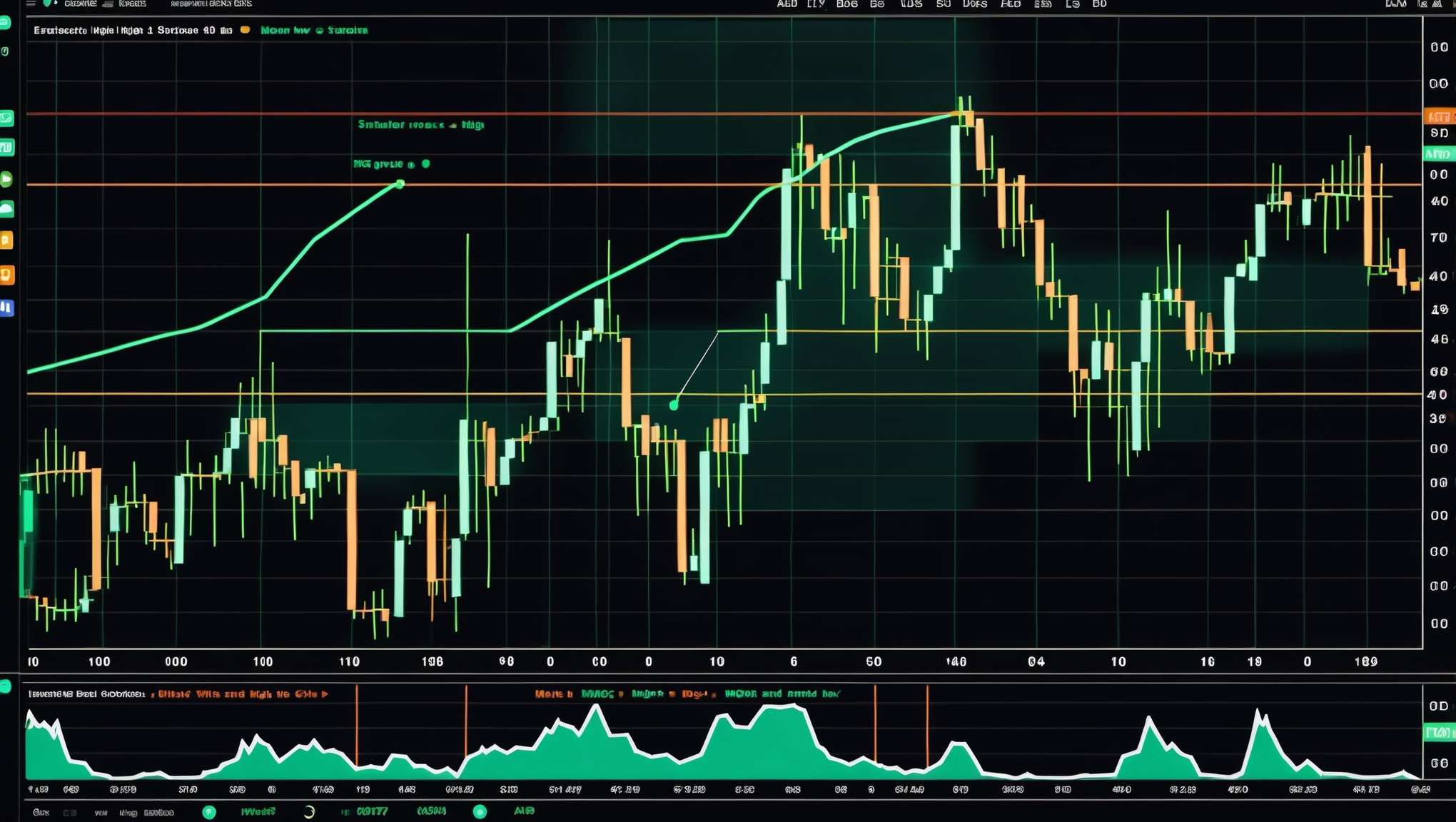
Market Structure vs. Indicators: What Actually Predicts the Next Move
Most retail traders lead with indicators. Most institutional traders lead with structure. The difference in results is not a coincidence. Here's why structure is primary and indicators are secondary.
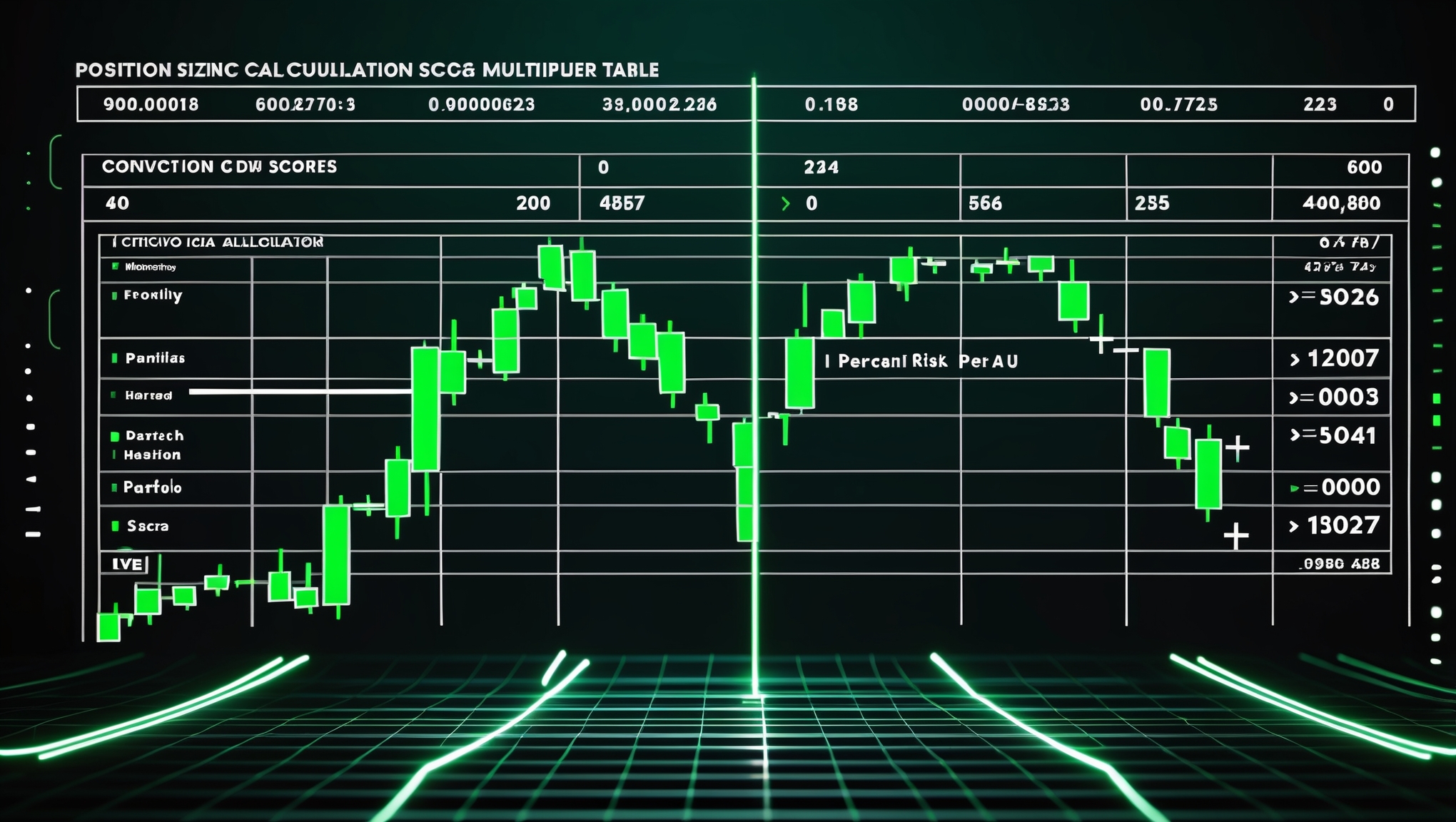
Position Sizing for High-Conviction Crypto Trades — The InDecision Model
Position sizing is where most traders leak. They size by emotion — too large when excited, too small when scared. InDecision makes sizing a mathematical output of conviction, not a feeling.
The Psychology of Holding Through Drawdowns — When to Stay and When to Fold
Every trader who has ever had a winning position has also had to decide whether the dip is noise or a reversal. The decision process that gets it right is not intuition — it's framework.
How InDecision Calls ABSTAIN — The Signal You Actually Need
ABSTAIN is InDecision's most powerful output. Not because it prevents bad trades — though it does — but because it forces you to recognize that the best trade is sometimes no trade.
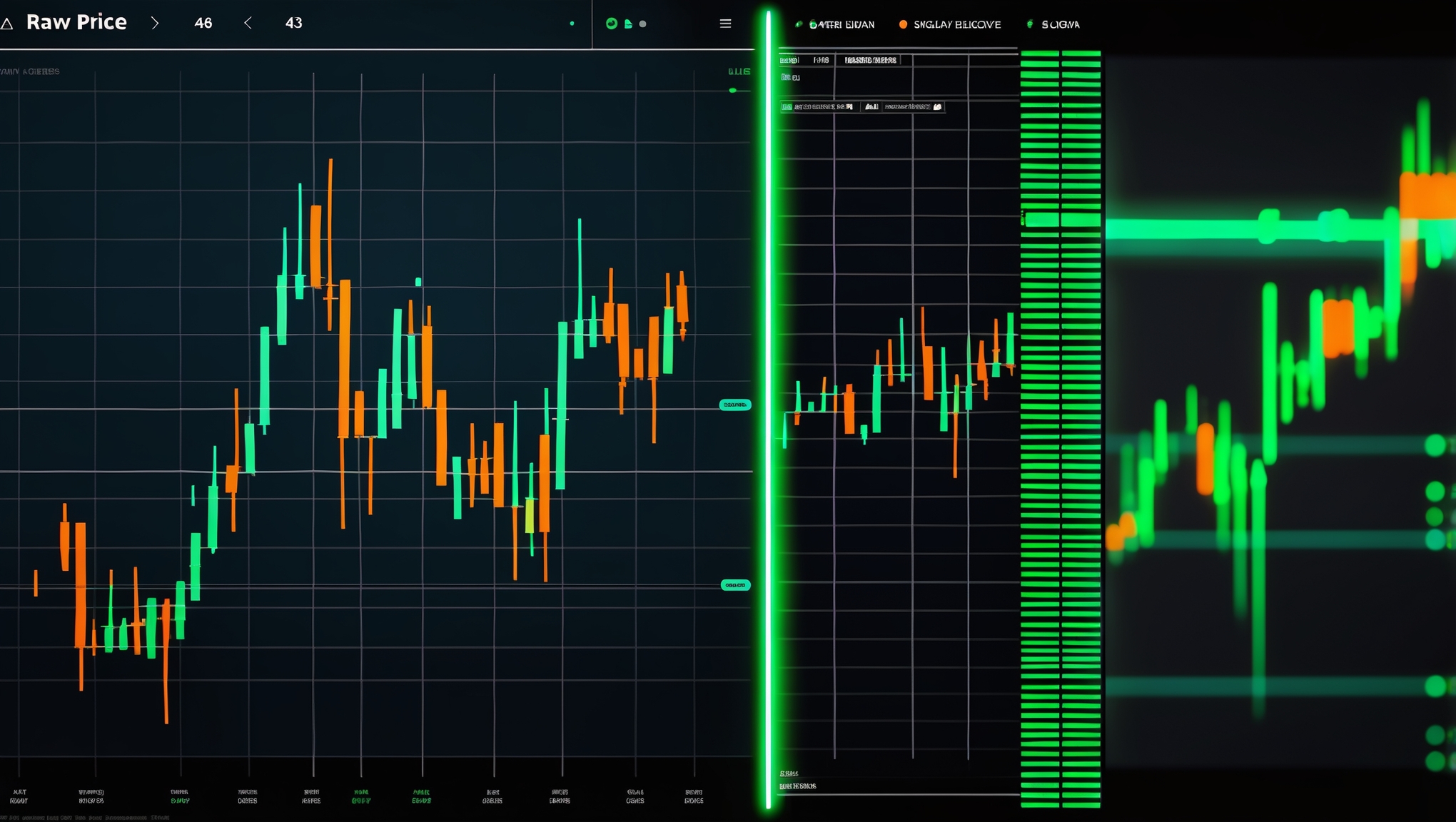
Price Action vs. Signal Action: The Distinction That Changes Everything
Price tells you what happened. Signal tells you what's likely to happen next. Confusing the two is the most common analytical error in crypto. Here's how InDecision separates them.