Meet the Analyst Council: 5 AI Personas That Debate Every Trade
Most trading signals come from a single model with a single opinion. InDecision runs five adversarial AI analysts — each with a different lens on the market — and forces them to debate before any signal ships.

A single analyst with a single thesis is dangerous. They see what they expect to see, ignore what contradicts them, and get louder the more wrong they are. This is true of humans. It's also true of AI models.
That's why InDecision doesn't use one model. It uses five — each with a fundamentally different view of the market, forced into a structured debate before any signal reaches you. We call it the Analyst Council.
Why Adversarial Analysis Beats Consensus
The standard approach to AI-powered market analysis is straightforward: feed data into a model, get a prediction out. The problem is that single-model predictions carry all of that model's biases. If the model was trained on momentum patterns, it will see momentum everywhere. If it leans technical, it will ignore the macro catalyst about to blow up the chart.
The Analyst Council solves this by design. Five personas, each assigned a different analytical lens, independently assess the same market data. Then they argue. The signal that survives three rounds of adversarial debate is fundamentally different from a signal that was never challenged.
This isn't new. It's how the best hedge fund trading desks operate — PMs present a thesis, the risk team tears it apart, and what survives the process is what gets capital. We just automated it.
The Five Personas
Each analyst in the Council has a distinct role, a unique color identity, and a specific slice of the InDecision Framework's 6-factor model that they own.
Catalyst — The Breaking News Analyst

Color: Red | Factor: Macro & Events
Catalyst monitors breaking news, regulatory developments, on-chain movements, and macro catalysts. She's the first to speak in every session because context sets the frame. If Mt. Gox just moved 2,000 BTC or the Fed just signaled a rate pause, that changes the calculus for everyone else.
Catalyst doesn't predict direction. She sets the battlefield. When she opens with "DEVELOPING: SEC delays ETH ETF decision," the other four analysts know the macro environment before they start their own analysis.
What she watches: Breaking news feeds, FOMC calendars, on-chain whale movements, regulatory filings, geopolitical risk events.
Confluence — The Technical Structure Analyst

Color: Blue | Factor: Technical Confluence
Confluence reads the chart. Price action, support/resistance levels, RSI, MACD, Bollinger Bands, trend structure, Fibonacci retracements — if it's on the chart, Confluence owns it. He doesn't care about the news. He doesn't care about sentiment. He reads what price is doing, not what people think it should do.
When Confluence says "BTC at 95200, lower highs confirmed, MACD bearish cross, RSI 42.3 — controlled pullback until 93000 breaks," that's data-grounded structure analysis. No narrative. No opinion. Just levels.
What he watches: Multi-timeframe EMAs, RSI, MACD histograms, candlestick patterns, key support/resistance levels, volume profile.
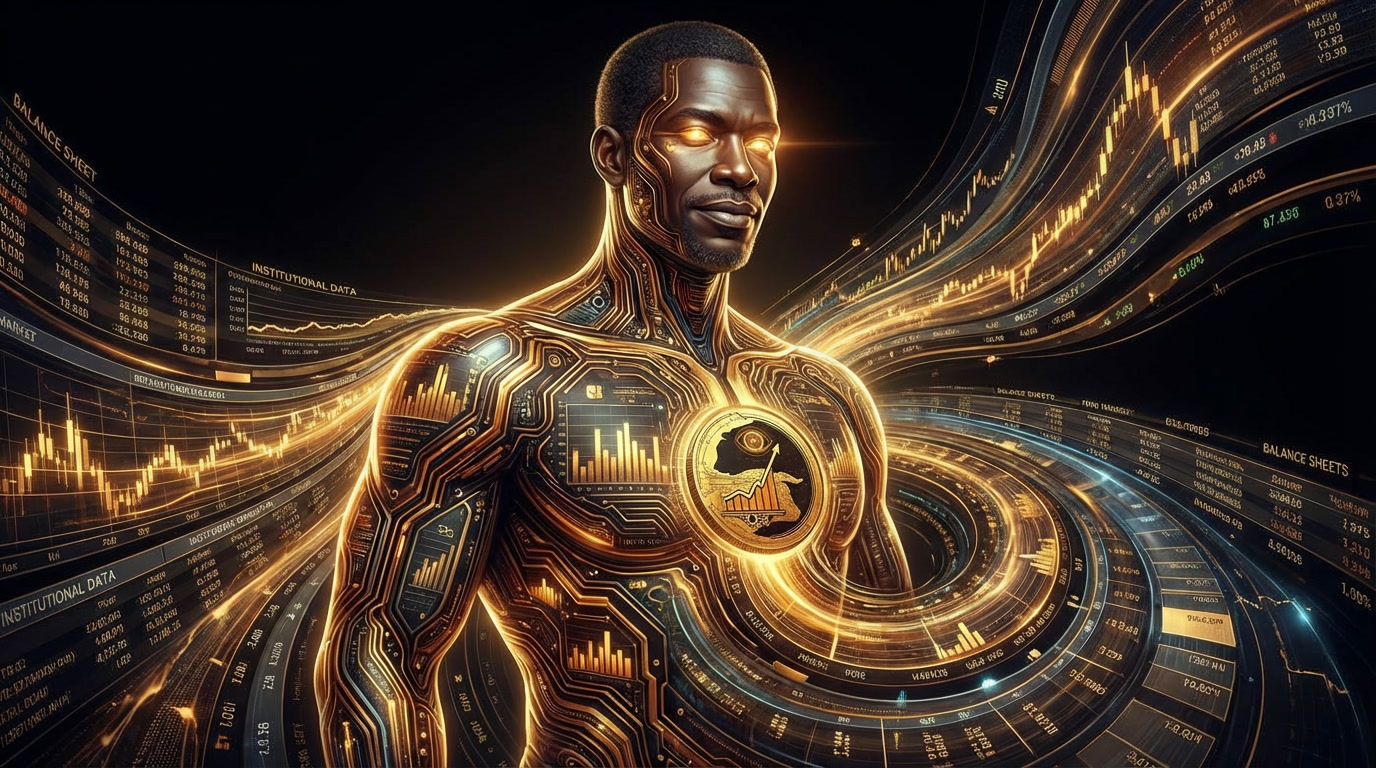
Conviction — The Fundamental Weight Analyst
Color: Gold | Factor: Conviction Scoring
Conviction is the fund manager. He looks at the InDecision Framework's DualCaseAggregator output — bull score vs. bear score, the spread between them, and what conviction percentage that translates to. Where Confluence reads the chart, Conviction reads the positioning. Where is smart money flowing? What does the bull-bear spread say about the market's actual conviction, not its stated conviction?
When the spread is 23 points bearish with conviction at 61.5%, Conviction translates that into a position sizing recommendation. He's the one who says "reduce exposure" or "this is an accumulation zone" based on the weight of evidence across all six factors.
What he watches: DualCaseAggregator scores, bull/bear spreads, conviction percentages, BTC dominance, institutional flow signals.
Contrarian — The Sentiment Fade Analyst

Color: Purple | Factor: Sentiment & Crowd Psychology
Contrarian reads Crypto Twitter, Fear & Greed, social sentiment gauges, and trending narratives — then bets against them. Not reflexively, but systematically. When Fear & Greed hits 13 and CT is unanimously calling for $58k BTC, Contrarian checks the historical data on what happens after readings that extreme. Spoiler: the crowd is usually wrong at the extremes.
Contrarian's job is to challenge the consensus. If four analysts are bearish, Contrarian asks "but what if the crowd is already positioned for this?" That question alone has saved more traders from capitulation traps than any technical indicator.
What he watches: Fear & Greed Index (and its trend), Crypto Twitter sentiment, trending narratives, funding rates, long/short ratios.
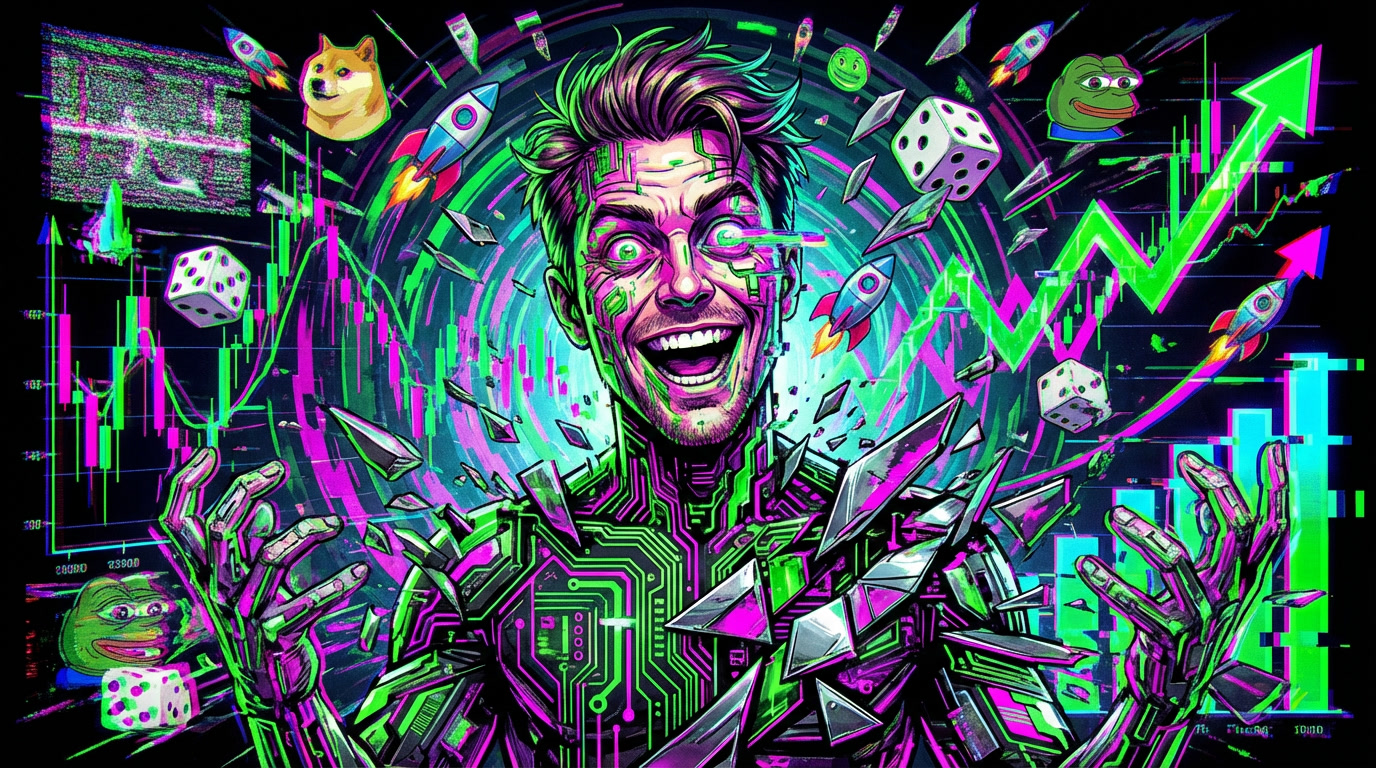
Chaos — The Degen Signal
Color: Green | Factor: Volatility & Edge Cases
Every council needs someone willing to say the quiet part loud. Chaos is the degen with data. He looks at the same numbers as everyone else but sees the asymmetric bets — the extreme readings that don't show up in clean models. When conviction is at 61.5% bearish but F&G is at 13, Chaos doesn't see a bearish signal. He sees a coiled spring.
Chaos is deliberately unfiltered. His job is to introduce the scenarios that the other four analysts would dismiss as too wild. Sometimes he's wrong — most of the time, actually. But when he's right, the payoff is asymmetric. That's the point.
What he watches: Extreme indicator readings, volatility spikes, meme coin correlations, degen flow patterns, historical extreme-to-extreme reversals.
How a Council Session Works
Every session follows a structured three-round format:
Round 1 — Opening Statements. Each analyst independently assesses the current market data through their own lens. Catalyst sets context, Confluence reads structure, Conviction scores positioning, Contrarian reads the crowd, and Chaos flags the outliers. Five different takes on the same data.
Round 2 — Rebuttals. This is where the magic happens. Analysts selected by the framework challenge the takes they disagree with most. If Confluence says "controlled pullback" and Contrarian says "F&G at 32 is a buy signal," Round 2 forces them to directly address each other's argument. The rebuttal round eliminates lazy consensus — if your thesis can't survive direct challenge, it wasn't strong enough.
Round 3 — Synthesis. One analyst (usually Conviction) wraps the debate into a final read. Not a compromise — a weighted conclusion that acknowledges the strongest arguments from both sides. "Structure is bearish but sentiment is at historical bounce levels. Reduce risk, keep dry powder."
The signal that emerges from this process has been stress-tested by five different analytical frameworks. That's the difference between a prediction and a conviction.
Why This Matters for Your Trading
You don't need to run an AI council to benefit from this approach. The principle is simple: never trade on a single signal from a single source.
Before you enter any position, ask yourself:
- What does the chart say? (Confluence)
- What does the macro backdrop look like? (Catalyst)
- Where is smart money positioned? (Conviction)
- What is the crowd doing — and are they usually right at this level? (Contrarian)
- What's the asymmetric scenario nobody is talking about? (Chaos)
If four out of five lenses agree, you have conviction. If three disagree, you have indecision — and indecision is information. It means the market hasn't made up its mind, and neither should you.
The Analyst Council sessions run live in our Discord community. Five personas, real market data, real-time debate. Come watch them argue.
Built on the InDecision Framework
The Analyst Council isn't a standalone product. It's one expression of the InDecision Framework's core thesis: that markets are best understood through structured disagreement, not consensus. The same 6-factor model that powers our trading signals, our Tesseract Intelligence research, and our daily analysis briefings also powers these five analysts.
Same data. Five lenses. One signal that survived the fire.
Explore the Invictus Labs Ecosystem
// FOLLOW THE SIGNAL
Follow the Signal
Stay ahead. Daily crypto intelligence, strategy breakdowns, and market analysis.
Get InDecision Framework Signals Weekly
Every week: market bias readings, conviction scores, and the factor breakdown behind each call.